
Deciphering Jaw Crusher Cavity Design: Selecting the Ideal Chamber for Efficiency and Grain Uniformity
Deciphering Jaw Crusher Cavity Design: Selecting the Ideal Chamber for Efficiency and Grain Uniformity
In high-capacity mineral processing and aggregate production, a primary rock crusher’s efficiency cannot be measured solely by motor horsepower. The geometry of the crushing chamber dictates the active reduction ratio, final particle distribution, and real-world hourly tonnage. Utilizing an incorrect cavity configuration leads to severe material ricocheting, high clay blockages, or uneven wear on manganese liners.
To help international mining contractors optimize their initial reduction phase, this technical brief analyzes the distinct performance characteristics of classical and engineered jaw crusher cavity design configurations.
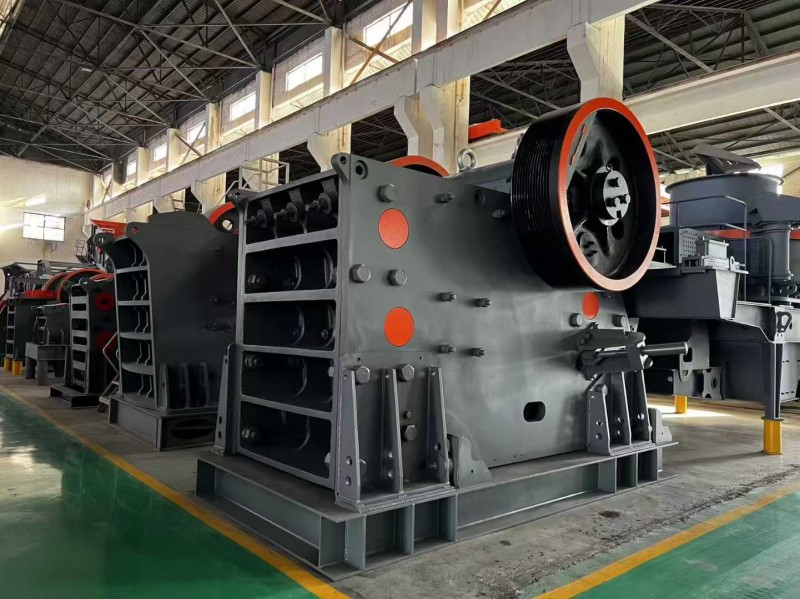
Classification by Classical Engineering Profiles
Standard Shallow Cavity (Conventional Coarse Chamber):
Characterized by a conventional nipping angle and shallower vertical depth, this clean structural layout offers exceptional versatility and straightforward maintenance. It serves as the economic baseline configuration for small-to-medium PE machinery processing low-abrasion minerals where cost efficiency is prioritized.
Deep Cavity Configuration:
Engineered with a significantly extended vertical chamber depth and longer effective crushing strokes, this profile multiplies the compression and squeezing cycles per pass. It delivers superior grain uniformity and higher continuous throughput, making it the standard selection for heavy-duty quarry mainlines and large-scale mining operations.
Small Nipping Angle Profile:
By lowering the acute nipping angle between the moving swing jaw and fixed jaw dies, this design drastically reduces material bounce-back at the feed throat. It accelerates smooth downward discharge, making it exceptionally effective for processing sticky, high-moisture rocks that are highly prone to compaction and chamber clogging.
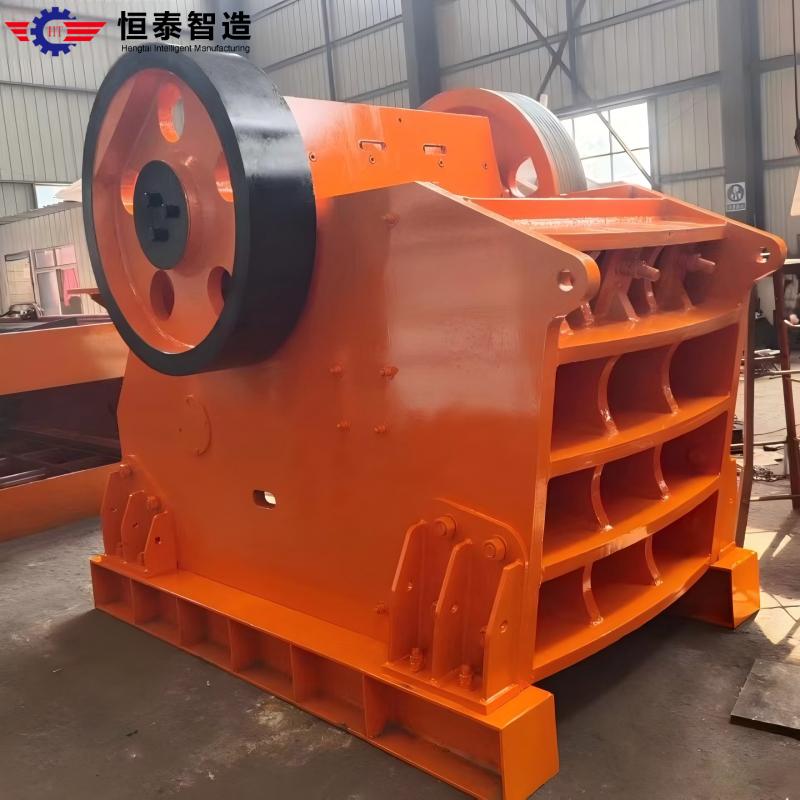
Manufacturer-Optimized and Advanced European Cavity Configurations
Symmetric Cavity Alignment:
This profile distributes extreme crushing stresses evenly across the jaw dies, leading to highly balanced wear patterns on wear parts. Because the upper and lower sections can be reversed during routine maintenance intervals without directional errors, it serves continuous, multi-shift production plants perfectly.
Asymmetrical Stepped Chamber:
Featuring a stepped wall profile, this advanced engineering creates a multi-stage progressive crushing force. It executes a hybrid compression-and-splitting action on the rock, significantly lowering over-crushing (fines generation) while drastically optimizing the cubical shape of aggregate in secondary or fine PEX reduction setups.
Deep V-Chamber (European Type Mainline Standard):
Configured with an extra-wide feed opening that transitions rapidly into a narrow, deep V-shaped reduction zone, this design yields maximum feeding capacity and an aggressive initial reduction ratio. It easily accepts massive run-of-mine boulders, solidifying its place as the premier choice for large fixed mining operations.
Operational Positioning and Circuit Synchronization
Coarse Primary Cavity:
Built with an oversized throat and broad closed-side setting (CSS) adjustment ranges, this profile focuses entirely on initial rock reduction, typically executing a stable reduction ratio of 3 to 6.
Medium/Fine Secondary Cavity (Fine Jaw Profile):
A more compact, tightly constrained chamber configuration with narrow discharge gaps. It provides a higher reduction ratio per pass, frequently serving as an intermediate processor to relieve the loading stress on downstream cone crushers.
Regardless of the rock profile, selecting a machine with the correct cavity orientation ensures that raw kinetic force transforms directly into efficient throughput rather than machine stress.
Direct Corporate Contact Information:
Official Business Email: ht6234nibin@gmail.com
Corporate Website: https://hengtai-global.com/
Instant WhatsApp Communication: +86 18288664797